
Mobile computing vs wireless computing sets the stage for this enthralling narrative, offering readers a glimpse into a story that is rich in detail and brimming with originality from the outset.
As technology continues to evolve, the interplay between mobile and wireless computing becomes increasingly significant. Mobile computing encompasses the use of portable devices, such as smartphones and tablets, allowing users to access information and applications on the go. In contrast, wireless computing refers to the technologies enabling connectivity without physical cables, such as Wi-Fi and Bluetooth. Understanding these concepts is essential in navigating today’s tech-driven landscape.
Mobile Computing
Mobile computing refers to the ability to use computing devices while on the move. This paradigm has transformed how individuals interact with technology, allowing for real-time access to information, communication, and services regardless of location. In today’s digital landscape, mobile computing is crucial as it promotes connectivity and productivity, empowering users to perform tasks efficiently from virtually anywhere.Mobile computing encompasses a variety of devices, with smartphones and tablets being the most prevalent.
These devices have become indispensable tools for both personal and professional use, facilitating tasks such as browsing the internet, accessing social media, and managing emails. Their portability and versatility make them popular choices among consumers seeking a seamless computing experience on the go. Additionally, laptops and wearable devices, like smartwatches, contribute to the mobile computing ecosystem, further enhancing user engagement.
Mobile Operating Systems and Applications
Mobile operating systems (OS) play a significant role in shaping the mobile computing experience. These systems manage hardware and software resources while providing a platform for mobile applications. The most widely used mobile operating systems are Android and iOS, each offering unique features and ecosystem advantages. The effectiveness of mobile computing is significantly enhanced by applications that cater to various needs and preferences.
Mobile apps can be broadly categorized into native apps, web apps, and hybrid apps. Each type provides distinct functionalities, with native apps offering high performance and full device integration, while web apps ensure easy access through browsers without the need for installation. The following are key aspects of mobile applications that enhance user experience and productivity:
- Accessibility: Users can access apps anytime and anywhere, enabling seamless workflows.
- Personalization: Mobile apps often allow users to customize settings and interfaces, improving engagement.
- Integration: Apps can integrate with various services and platforms, fostering a connected ecosystem.
- Real-Time Updates: Many apps provide notifications and updates, keeping users informed and engaged.
- Offline Functionality: Some applications allow users to perform tasks without an internet connection, thus enhancing usability in areas with limited access.
The impact of mobile computing is exemplified by the dramatic increase in app usage, with millions of applications available across various platforms. For instance, as of 2023, the Google Play Store boasts over 3 million apps, catering to diverse interests and needs. This vast selection underscores the importance of mobile computing in offering tailored solutions for users, ultimately driving productivity and connectivity in an increasingly mobile-centric world.
Wireless Computing
Wireless computing refers to the ability to connect and communicate using wireless technology, enabling devices to transmit and receive data without physical cables. This technology underpins the mobile internet and countless applications, allowing for greater flexibility and mobility. It has transformed how we interact with devices, making connectivity more accessible and convenient than ever before.Wireless computing encompasses several key technologies that facilitate communication over the air.
These include Wi-Fi, Bluetooth, and cellular networks, each with its own specifications, use cases, and advantages. Understanding these technologies helps users make informed choices about their connectivity options and how they can enhance their user experience.
Comparison of Wireless Technologies
When evaluating wireless computing technologies, it is important to consider their unique characteristics, performance, and applicable scenarios. Below is a comparative analysis of Wi-Fi, Bluetooth, and cellular networks:
- Wi-Fi:
Wi-Fi technology enables high-speed internet access over a local area network (LAN). It operates within the 2.4 GHz and 5 GHz frequency bands and is commonly used in homes, offices, and public spaces. Wi-Fi supports multiple devices simultaneously and provides internet speeds that can reach several gigabits per second with the latest standards (e.g., Wi-Fi 6). - Bluetooth:
Bluetooth is designed for short-range communication between devices, typically within a range of about 10 meters. It consumes less power compared to Wi-Fi, making it ideal for connecting peripherals such as headphones, keyboards, and smartwatches. The latest version, Bluetooth 5.0, offers improved range and data transfer speeds, enhancing user experience in personal area networks (PAN). - Cellular Networks:
Cellular technology provides mobile connectivity over large distances through a distributed network of base stations. It supports various standards, including 4G LTE and 5G, which enable high-speed mobile internet access and low-latency communication. Cellular networks are crucial for mobile devices, offering seamless connectivity across urban and rural areas.
Advancements in Wireless Protocols
The evolution of wireless protocols has significantly impacted connectivity and user experience. Modern wireless standards have improved data rates, extended ranges, and enhanced security features, making wireless communications more reliable and efficient.
“The introduction of Wi-Fi 6 and 5G technology has redefined user expectations for speed and connectivity.”
Some of the notable advancements include:
- Wi-Fi 6 introduces features like MU-MIMO (Multi-User Multiple Input Multiple Output) and OFDMA (Orthogonal Frequency Division Multiple Access), which enhance performance in environments with many connected devices.
- 5G technology promises faster download and upload speeds, lower latency, and increased capacity to support the growing number of connected devices in the Internet of Things (IoT).
- Enhanced security measures such as WPA3 for Wi-Fi and improved encryption protocols in cellular networks help protect user data from unauthorized access.
These advancements illustrate the rapid development in wireless computing technologies, ultimately leading to a more connected and integrated digital world.
Comparison Between Mobile and Wireless Computing
Mobile computing and wireless computing might seem synonymous at first glance, but they encompass distinct concepts that serve different purposes in the tech world. Mobile computing refers to the use of mobile devices to access and process data on the go, utilizing hardware and software designed for portability. Wireless computing, on the other hand, pertains to the transmission of data without physical connections, allowing devices to communicate over various wireless networks.
Understanding the differences in functionality and usage between these two realms is crucial for both consumers and industry professionals.The functionality and usage of mobile and wireless computing diverge significantly. Mobile computing relies on portable devices such as smartphones, tablets, and laptops, which are equipped with specialized software and hardware for running applications while being mobile. This means users can perform tasks like sending emails, browsing the web, or using GPS navigation from virtually anywhere.
In contrast, wireless computing is about the connectivity aspect, where devices communicate through wireless signals, such as Wi-Fi, Bluetooth, or cellular networks, regardless of whether the devices themselves are mobile or stationary.
Benefits and Drawbacks of Mobile and Wireless Computing
When evaluating mobile and wireless computing, it is essential to consider the benefits and drawbacks associated with each. Both technologies enhance user experience in unique ways while also presenting certain limitations.The advantages of mobile computing include:
- Portability: Users can carry their devices anywhere, facilitating access to data and services on the go.
- User-friendly interfaces: Mobile devices are designed with touchscreens and apps that make them accessible to a wide range of users.
- Real-time connectivity: Mobile devices often have cellular capabilities, allowing users to stay connected even in areas without Wi-Fi.
The downsides of mobile computing consist of:
- Battery life constraints: Mobile devices often require frequent charging, especially when used for data-intensive tasks.
- Limited screen size: Smaller screens can affect user experience for tasks that require extensive viewing or intricate interactions.
- Security concerns: Mobile devices can be more susceptible to security threats if not properly managed.
In contrast, the benefits of wireless computing include:
- No physical connections: Devices can connect and communicate freely without the constraints of wires.
- Flexibility: Users can access networks and devices from various locations within the coverage area.
- Easy scalability: Wireless networks can often be expanded more easily than wired networks.
However, wireless computing also presents its own challenges:
- Signal interference: Physical barriers and electronic devices can disrupt wireless signals, affecting connectivity.
- Bandwidth limitations: Wireless networks may suffer from congestion, impacting performance during peak usage times.
- Security risks: Wireless networks can be more vulnerable to unauthorized access if not properly secured.
Key Characteristics and Use Cases
To further illustrate the distinctions between mobile and wireless computing, the following table highlights their key characteristics and typical use cases:
| Characteristics | Mobile Computing | Wireless Computing |
|---|---|---|
| Device Dependency | Relies on portable devices (smartphones, tablets) | Can involve any device with wireless capabilities (desktops, IoT) |
| Data Processing | Process data on-device for immediate access | Data is transmitted over a network for processing |
| Common Use Cases | Navigation apps, mobile banking, social media | Wi-Fi networks, Bluetooth devices, IoT applications |
| Mobility | Designed for use on the move | Can be both stationary and mobile |
This comparison illustrates that while mobile computing focuses on the devices that facilitate mobility, wireless computing emphasizes the underlying connectivity that enables communication across various platforms.
Related Technologies and Domains
The realm of mobile and wireless computing is deeply intertwined with various technologies and domains, particularly in how they leverage web hosting and domain names. These elements are fundamental to ensuring that mobile applications and wireless services can function seamlessly. As users increasingly turn to mobile devices for their online activities, understanding the infrastructure behind these technologies becomes crucial for developers and businesses alike.
Web hosting and domain names serve as the backbone of mobile and wireless computing. A reliable web hosting service ensures that mobile applications can access the necessary data and resources quickly and efficiently. This is particularly important as users expect fast loading times and smooth interactions on their mobile devices. Additionally, domain names provide a recognizable identity for online services, enhancing user trust and making it easier for users to find and access mobile applications.
The integration of these services allows for a more cohesive user experience, which is vital in a competitive digital landscape.
Web Design and Development for Mobile Optimization
In the context of mobile computing, web design and development play a critical role in optimizing user experiences. The design of a website or application must be responsive, ensuring that it adapts to various screen sizes and resolutions. This adaptability is essential for mobile users who access content on a range of devices, from smartphones to tablets.
Key considerations for optimizing mobile user experiences include:
- Responsive Design: This technique allows websites to adjust their layout based on the device’s screen size, providing an optimal viewing experience.
- Fast Loading Times: Mobile users expect quick access to information. Techniques such as image compression and minimizing code can significantly speed up page load times.
- User-Friendly Navigation: Simplified navigation and touch-friendly elements enhance usability, making it easier for users to interact with applications on smaller screens.
- Accessibility Features: Incorporating features such as voice commands and screen reader compatibility ensures that applications are usable for all individuals, including those with disabilities.
- Mobile-First Approach: Designing with mobile devices as the primary focus encourages developers to prioritize critical features and performance, leading to a better overall experience.
Trends in Monetization through Mobile Applications
Monetization strategies for mobile applications have evolved dramatically in recent years, reflecting changing consumer behaviors and technological advancements. Businesses are increasingly leveraging mobile platforms to generate revenue through various models. These trends include in-app purchases, subscription services, and advertising-based revenue systems. Understanding these trends is crucial for developers aiming to create successful applications.
Some popular monetization strategies are:
- In-App Purchases: Many applications offer users the ability to buy virtual goods or premium features, allowing for ongoing revenue generation beyond the initial download.
- Subscription Models: Apps that provide ongoing services, such as streaming or productivity tools, often use subscription fees to create a steady income stream.
- Freemium Models: This approach allows users to access basic features for free while charging for advanced functionalities, enticing users to upgrade.
- Ad Revenue: Integrating ads within applications can provide a significant revenue source, especially when paired with a large user base.
- Affiliate Marketing: Apps can also earn money by promoting products or services and receiving a commission for sales generated through their platform.
Electronics and Hardware
The performance of mobile computing relies heavily on the integration of advanced electronics and hardware components. These elements not only enhance user experience but also ensure that devices can handle various applications effectively. With the rapid advancement in technology, it’s crucial to understand the essential hardware components that contribute to the efficiency of mobile devices.Electronics play a pivotal role in optimizing the performance of mobile devices.
Components such as processors, memory, and batteries are designed to balance power efficiency with high performance, enabling devices to operate seamlessly in diverse environments. Efficient electronics reduce power consumption while maintaining speed and responsiveness, which is vital for user satisfaction and extended device longevity.
Essential Hardware Components for Mobile Computing
Several key hardware components are vital to the effective operation of mobile computing devices. Understanding these components can help users make informed choices and appreciate the technology they rely on daily.
- Processors: The CPU (Central Processing Unit) is the brain of the device, responsible for executing instructions. Modern mobile devices use multi-core processors to manage tasks efficiently and handle multitasking demands.
- Memory: RAM (Random Access Memory) is crucial for running applications smoothly. Higher RAM capacity allows for better multitasking and faster performance.
- Storage: SSDs (Solid State Drives) or eMMC (embedded MultiMediaCard) storage provide quick access to data. The amount of storage impacts how many applications and files can be stored.
- Battery: A high-capacity battery is essential for mobile devices to operate for extended periods without frequent recharging. Technologies like lithium-ion batteries enhance energy density and longevity.
- Display: High-resolution displays, such as OLED or Retina, enhance the visual experience and support rich media consumption. Screen size and resolution play a significant role in user engagement.
- Network Interfaces: Components like Wi-Fi chips and cellular modems enable connectivity, allowing users to access the internet and communicate wirelessly.
Significance of Electronics in Mobile Devices
The integration of advanced electronics enhances the performance and functionality of mobile devices, improving user experience significantly. Each electronic component is meticulously designed to ensure that mobile devices can handle demanding applications while remaining energy-efficient.
“Innovative electronics not only enhance device performance but also contribute to the overall user experience by providing faster processing capabilities and longer battery life.”
Popular Gadgets Supporting Mobile and Wireless Computing
A variety of gadgets are available on the market that facilitate mobile and wireless computing. These devices are designed to enhance productivity and connectivity, making them essential for modern users.
- Smartphones: Devices from brands like Apple, Samsung, and Google serve as powerful mobile computing platforms.
- Tablets: Tablets such as the iPad and Microsoft Surface offer larger screens for productivity while maintaining portability.
- Laptops: Ultrabooks and lightweight laptops, like the MacBook Air, blend performance with portability, making them ideal for on-the-go work.
- Wearables: Smartwatches and fitness trackers, like the Apple Watch and Fitbit, offer mobile computing capabilities while keeping users connected and informed.
- Wireless Earbuds: Devices like Apple AirPods and Samsung Galaxy Buds enhance audio experiences while pairing seamlessly with mobile devices.
Data Communication
Data communication is a critical component that underpins both mobile and wireless computing, facilitating the exchange of information across various platforms and devices. Understanding its principles enhances our grasp of how data flows in a mobile environment, ultimately leading to improved connectivity and user experience. The evolution of data communication technologies has transformed how we interact with devices and share information, especially in today’s fast-paced digital world.The principles of data communication primarily revolve around the transmission, reception, and processing of data.
Factors such as bandwidth, latency, and error rates play significant roles. In mobile computing, data is transmitted over cellular networks, Wi-Fi, or satellite connections. Wireless computing employs similar methodologies but often includes technologies like Bluetooth and near-field communication (NFC). The efficiency of these data transfer methods relies on various protocols and formats that ensure accurate delivery and integrity of the information exchanged.
Adapting Computer Repair and Consulting Services to Mobile Technology
Computer repair and consulting services are increasingly adapting to the integration of mobile technology in their operations. With a surge in mobile device usage, professionals in these fields are updating their skill sets to include mobile diagnostics, repairs, and customized solutions for mobile users. The shift towards mobile-centric approaches in service provision includes:
- The incorporation of mobile device management (MDM) solutions, allowing businesses to secure and manage devices remotely.
- Utilization of specialized apps that enable technicians to troubleshoot issues directly from their smartphones, enhancing customer service and operational efficiency.
- Offering on-site repair services to cater to the convenience of mobile users who often prefer immediate and localized solutions.
Transformations in Data Communication Practices Due to Mobile Computing
Mobile computing has significantly altered traditional data communication practices, introducing new methodologies and tools that make data sharing faster and more efficient. Key transformations include:
- Real-time communication applications such as WhatsApp, Slack, and Zoom have changed how teams collaborate, enabling instant messaging and video conferencing from mobile devices.
- The rise of cloud computing services, including Google Drive and Dropbox, allows users to store, access, and share data seamlessly across devices, enhancing collaboration and productivity.
- Integration of IoT (Internet of Things) devices, which communicate with one another over wireless networks, leading to smarter homes and workplaces where devices operate cohesively.
“Data communication is not just about transferring information but ensuring its integrity and timely delivery across networks.”
Security in Mobile and Wireless Computing
Mobile and wireless computing have transformed the way we access information and communicate, but they also present unique security challenges. The inherent mobility and reliance on wireless connections expose these systems to various risks, making robust security measures essential. This section delves into the security challenges, best practices, and the crucial role of software in safeguarding mobile and wireless environments.
Security Challenges in Mobile and Wireless Computing
Mobile devices and wireless networks face a range of security threats that can compromise sensitive information. These challenges arise from various factors including the nature of wireless communication, the portability of devices, and the increasing sophistication of cyber threats. Some of the primary security challenges include:
- Data Interception: Wireless signals can be intercepted by unauthorized users, leading to data breaches.
- Malware: Mobile devices are vulnerable to malware and viruses that can compromise personal data.
- Lost or Stolen Devices: The portability of mobile devices increases the risk of loss or theft, making sensitive information accessible to malicious actors.
- Insecure Networks: Public Wi-Fi networks often lack proper security protocols, making users susceptible to attacks.
- Weak Authentication: Many mobile applications use inadequate authentication methods, leading to unauthorized access.
Best Practices for Securing Mobile Devices and Wireless Networks
To mitigate the security risks associated with mobile and wireless computing, several best practices should be adopted. Implementing these measures can significantly enhance the security posture of both devices and networks:
- Use Strong Passwords: Implement complex passwords and change them regularly to protect accounts.
- Enable Encryption: Utilize encryption for data storage and transmission to safeguard sensitive information.
- Keep Software Updated: Regular updates for operating systems and applications help protect against known vulnerabilities.
- Utilize VPNs: Using Virtual Private Networks (VPNs) on public networks encrypts data and adds an extra layer of security.
- Implement Remote Wipe: In case of device loss, remote wipe capabilities can erase sensitive data to prevent unauthorized access.
The Role of Software in Enhancing Security
Software plays a pivotal role in enhancing security for mobile and wireless computing environments. Various security solutions and applications are designed to address the specific vulnerabilities of these systems:
- Antivirus and Anti-malware Software: These applications provide real-time protection against malicious software and help detect potential threats.
- Mobile Device Management (MDM): MDM solutions allow organizations to manage and secure mobile devices, ensuring compliance with security policies.
- Firewalls: Software firewalls can help monitor incoming and outgoing traffic, blocking potential threats on wireless networks.
- Security Updates: Regularly updated security software ensures that devices are protected against the latest threats.
- Authentication Apps: Multi-factor authentication applications add an additional layer of security, reducing the risk of unauthorized access.
Future Trends and Innovations
The realm of mobile computing and wireless technology is on the brink of transformative changes that promise to redefine user experiences and engagement. As advancements continue to emerge, the integration of new technologies will play a pivotal role in enhancing the way we interact with mobile devices and wireless networks. Understanding these future trends is essential for users, developers, and businesses alike, as they prepare for the next wave of innovations.Innovations in mobile computing and wireless technology are expected to be shaped by several key trends that will significantly influence user engagement and experience.
These innovations not only enhance the functionality of devices but also create more seamless and immersive experiences for users. Below are some anticipated innovations set to shape the future landscape of these domains.
Emerging Trends in Technology
The following list Artikels critical trends that are expected to have a substantial impact on the future of mobile computing and wireless technologies:
- 5G Technology: The rollout of 5G networks will enable faster data transfer speeds, lower latency, and the ability to connect more devices simultaneously. This transition is expected to revolutionize mobile app experiences, facilitating real-time interactions and advancements in sectors such as IoT, augmented reality (AR), and virtual reality (VR).
- Artificial Intelligence (AI) Integration: AI will increasingly be embedded in mobile applications, offering personalized experiences and enhanced functionality. Features like smart assistants and predictive text will become more intuitive, understanding user behaviors and preferences better than ever before.
- Augmented Reality (AR) Applications: As AR technology matures, its applications in areas like gaming, retail, and education will expand. Users will experience enriched environments where digital information overlays the physical world, enhancing engagement and interactivity.
- Wearable Technology Growth: The rise of wearable devices, such as smartwatches and health trackers, will continue. These devices will interact with mobile phones, providing users with real-time health data and notifications, thus streamlining daily activities and promoting wellness.
- Edge Computing: By processing data closer to the source rather than relying on centralized data centers, edge computing enhances performance and reduces latency. This trend will support real-time applications, which are crucial for smart cities and autonomous vehicles.
- Enhanced Security Protocols: With the rise in mobile data usage, the importance of cybersecurity will escalate. Innovations in biometric security, such as facial recognition and fingerprint scanning, will provide users with more secure and convenient authentication methods.
Impact on User Engagement and Experience
The anticipated advancements in mobile computing and wireless technology are poised to significantly enhance user engagement and overall experience. The integration of faster and more reliable connectivity will allow for uninterrupted streaming, seamless communication, and real-time collaboration. Enhanced AI capabilities will make applications more responsive to user needs, thereby fostering a more personalized experience.The implications of these technological trends extend beyond individual user interactions.
Businesses will be better equipped to gather insights through data analytics, enabling them to tailor their offerings to meet user demands effectively. As a result, the feedback loop between users and service providers will become more dynamic, allowing for continuous improvement and innovation.
“The future of mobile and wireless computing is not just about faster connections but about creating meaningful experiences that resonate with users on a personal level.”
Overall, the trends and innovations emerging in mobile computing and wireless technologies will foster a more connected, efficient, and immersive digital landscape, ultimately reshaping how individuals engage with technology in their everyday lives.
Last Word
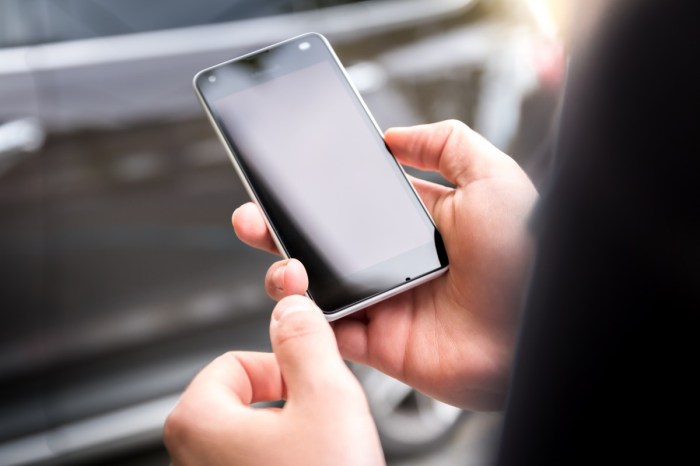
In conclusion, the distinction between mobile computing and wireless computing is vital for grasping the future of technology. While they are closely related, each offers unique functionalities and experiences. As we continue to embrace advancements in both fields, the potential for innovation and enhanced user engagement is boundless, paving the way for a more connected world.
Helpful Answers
What is mobile computing?
Mobile computing refers to the use of portable devices that allow users to access and process data on the go.
How does wireless computing differ from mobile computing?
Wireless computing focuses on technologies that enable wireless connectivity, while mobile computing involves the use of portable devices to access information.
What are some examples of mobile computing devices?
Examples include smartphones, tablets, and laptops designed for mobility.
What are the security concerns in mobile and wireless computing?
Security challenges include unauthorized access, data breaches, and network vulnerabilities.
What advancements can we expect in mobile and wireless computing?
We can anticipate innovations such as improved connectivity, enhanced user experiences, and the integration of AI technologies.


